
Asset-Backed Stablecoins: Security and Value Unlocked

Institutional investors in the United Kingdom face a growing need for secure and compliant ways to diversify portfolios without sacrificing transparency. The rise of asset-backed stablecoins offers a compelling solution by linking digital currencies directly to physical assets such as gold or national currencies, providing stability and trust beyond typical cryptocurrencies. This article explains the foundation, types, and key compliance factors that matter for integrating these sophisticated instruments into a well-managed investment strategy.
Table of Contents
- Defining Asset-Backed Stablecoins And Core Concepts
- Types Of Asset-Backed Stablecoins Explained
- How Gold And Other Reserves Ensure Stability
- UK Regulatory Framework And Compliance In 2026
- Risks, Investor Duties, And Common Pitfalls
Key Takeaways
| Point | Details |
|---|---|
| Asset-Backed Stablecoins Defined | These digital currencies are pegged to real-world assets to maintain consistent value and reduce volatility compared to traditional cryptocurrencies. |
| Types and Use Cases | Stablecoins are categorized into Fiat-Backed, Commodity-Backed, Crypto-Collateralized, and Algorithmic, each catering to different investor motivations and risk profiles. |
| Regulatory Framework in the UK | The evolving regulatory landscape emphasizes transparency, consumer protection, and compliance to ensure stablecoin reliability and safeguard investor interests. |
| Investment Risks | Potential risks include asset quality verification, redemption mechanisms, and market volatility exposure, necessitating thorough due diligence by investors. |
Defining Asset-Backed Stablecoins and Core Concepts
Asset-backed stablecoins represent a sophisticated class of digital assets designed to maintain consistent value by anchoring themselves to tangible, real-world assets. Systematic research on stablecoins reveals they serve as critical financial instruments bridging traditional currency systems and emerging cryptocurrency ecosystems.
These digital currencies operate through unique stabilization mechanisms that differentiate them from volatile cryptocurrencies. The core characteristics of asset-backed stablecoins include:
- Full Collateralization: Direct backing by physical assets like gold, silver, or fiat currencies
- Value Preservation: Maintaining a consistent exchange rate with reference assets
- Transparency: Providing verifiable proof of underlying asset reserves
- Reduced Volatility: Minimizing price fluctuations typical in cryptocurrency markets
Collateralization Methods play a crucial role in stablecoin design. Comprehensive digital asset research identifies three primary approaches:
- Full Reserve Backing: 100% of token value directly matched by held assets
- Partial Reserve Backing: Fractional asset coverage with additional risk management strategies
- Algorithmic Supply Control: Dynamic token generation and reduction to maintain price stability
Institutional investors recognize asset-backed stablecoins as sophisticated financial instruments that combine blockchain technology’s efficiency with traditional asset security. By linking digital tokens to tangible value sources, these cryptocurrencies offer a more predictable and regulated investment vehicle compared to traditional crypto assets.
Pro tip: Before investing in any asset-backed stablecoin, always verify the issuer’s asset reserve documentation and regulatory compliance status.
Types of Asset-Backed Stablecoins Explained
Asset-backed stablecoins represent diverse digital financial instruments, each designed with unique stabilization mechanisms. Global financial research categorizes these cryptocurrencies into four fundamental types, each offering distinct advantages for institutional and retail investors.
The primary categories of asset-backed stablecoins include:
Here’s a concise comparison of the main types of asset-backed stablecoins and their investor use cases:
| Stablecoin Type | Primary Asset Backing | Typical Investors | Investment Motivation |
|---|---|---|---|
| Fiat-Backed | National currencies | Risk-averse institutions | Stability, quick conversion |
| Commodity-Backed | Gold, silver, metals | Store-of-value seekers | Tangible asset exposure |
| Crypto-Collateralized | Cryptocurrencies | Blockchain-focused funds | Decentralized stability |
| Algorithmic | No direct reserves | Speculative traders | High-risk yield, innovation |
- Fiat-Backed Stablecoins: Directly pegged to traditional currencies like USD or Euro
- Commodity-Backed Stablecoins: Anchored to physical assets such as gold or silver
- Crypto-Collateralized Stablecoins: Supported by cryptocurrency reserves
- Algorithmic Stablecoins: Managed through automated monetary supply mechanisms
Fiat-Backed Stablecoins function most similarly to traditional financial instruments. Comparative stablecoin analysis reveals these tokens operate like money market funds, requiring rigorous transparency and regulatory oversight. Key characteristics include:
- Direct 1:1 currency backing
- Frequent third-party audits
- Centralized reserve management
- Immediate convertibility
Commodity-backed and crypto-collateralized stablecoins offer more complex value propositions. Commodity-backed tokens provide tangible asset protection, while crypto-collateralized versions leverage blockchain’s decentralized nature. These alternatives appeal to investors seeking alternatives to traditional fiat-pegged instruments.
Algorithmic stablecoins represent the most experimental category, using smart contract mechanisms to dynamically adjust token supply. These digital assets attempt to maintain stability through algorithmic interventions rather than direct asset backing, presenting both innovative potential and significant market risks.
Pro tip: Always conduct thorough due diligence on the specific stabilization mechanism and regulatory compliance of any stablecoin before investment.
How Gold and Other Reserves Ensure Stability
Precious metal reserves play a critical role in establishing stability for asset-backed stablecoins. Advanced econometric research demonstrates how specific metals can significantly minimize cryptocurrency price volatility and enhance investor confidence.
The primary mechanisms for reserve-backed stability include:
- Direct Asset Correlation: Linking token value to tangible metal reserves
- Price Anchoring: Creating a reliable valuation framework
- Risk Mitigation: Reducing speculative market fluctuations
- Transparent Valuation: Enabling real-time asset tracking
Tokenized gold integration represents a sophisticated approach to stablecoin design. By combining blockchain technology with traditional asset backing, these digital instruments offer several compelling advantages:
- Immediate asset liquidity
- Global accessibility
- Reduced counterparty risk
- Enhanced transaction transparency
Gold remains the most prevalent precious metal for stablecoin reserves due to its historical stability and universal recognition. Silver, platinum, and other strategic metals also provide robust backing mechanisms, each offering unique economic characteristics that contribute to token reliability.
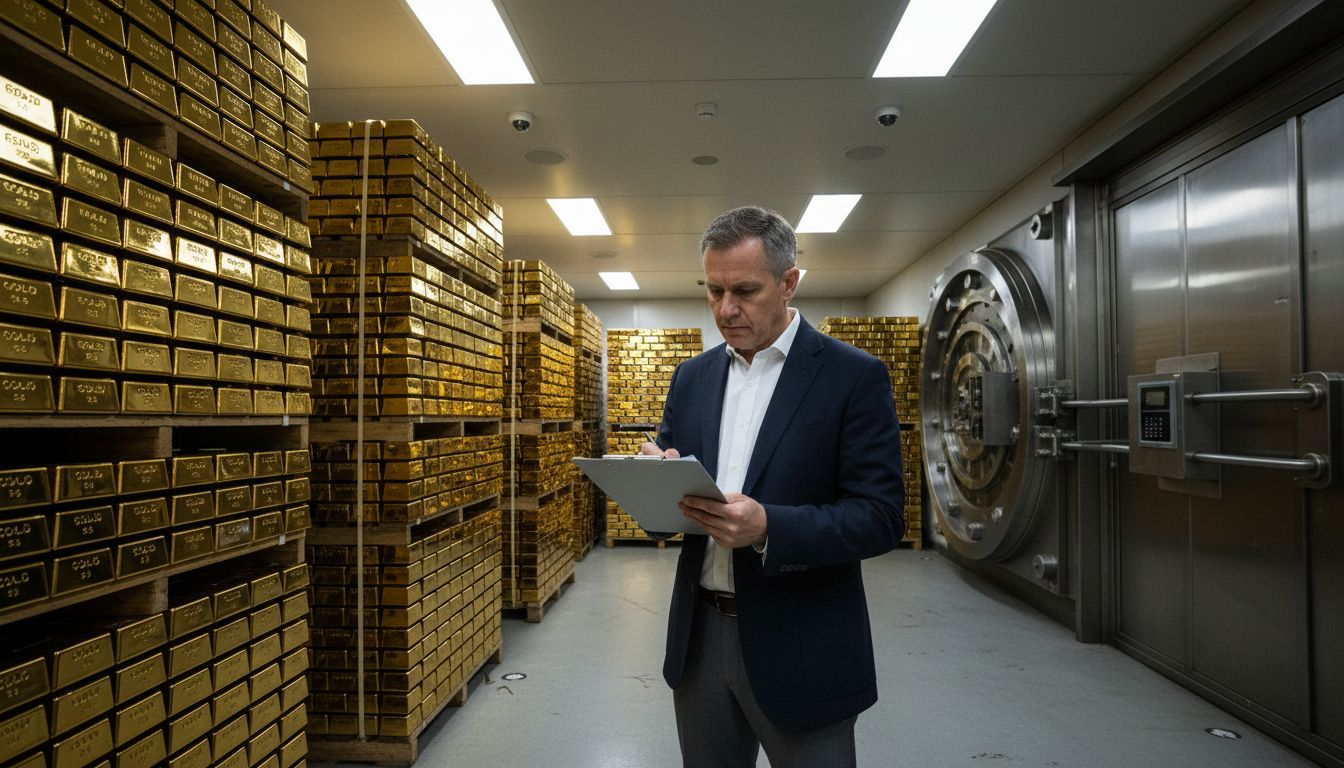
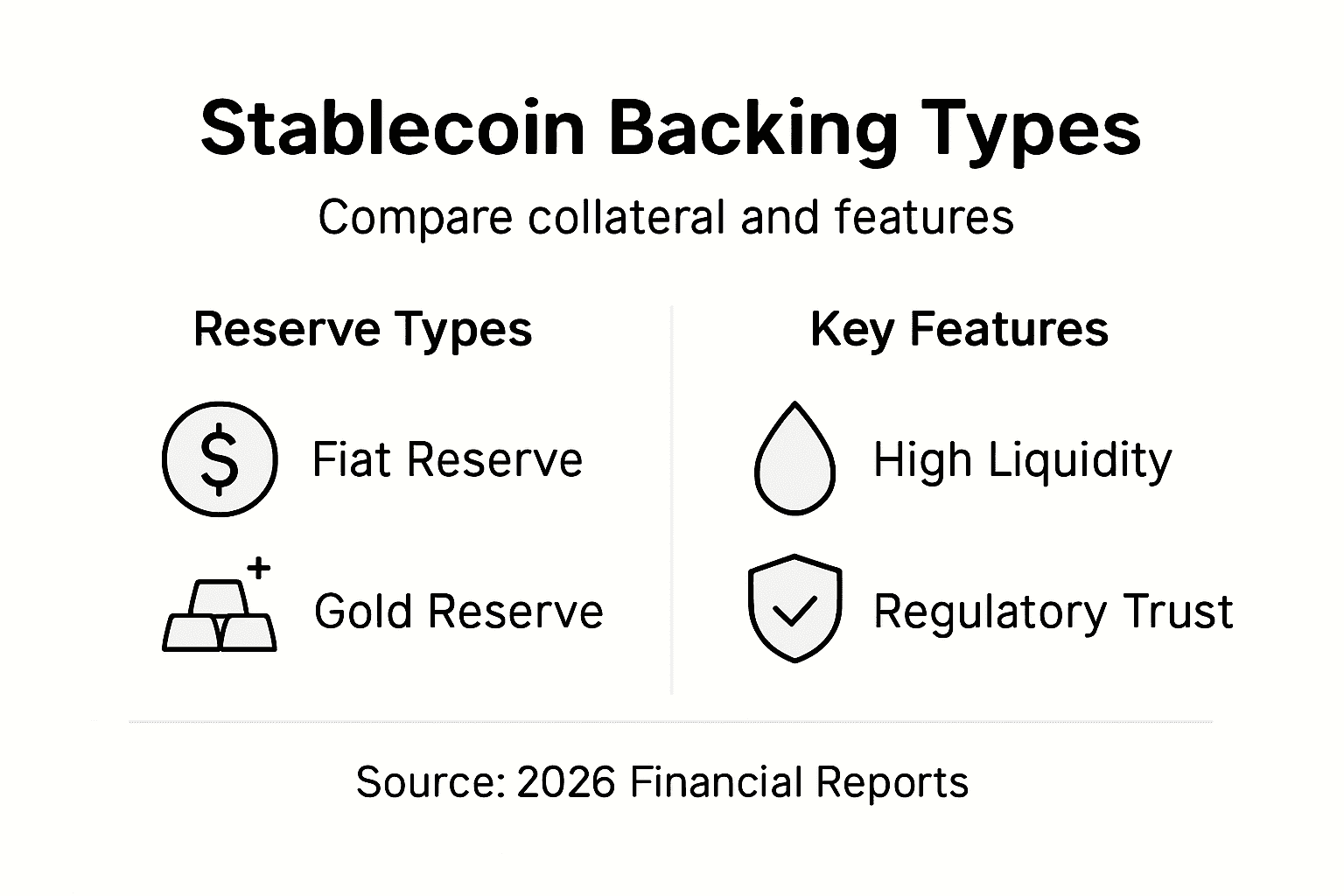
The following table summarizes how different reserve assets impact stablecoin reliability:
| Reserve Asset | Price Stability | Liquidity | Regulatory Perception |
|---|---|---|---|
| Gold | Very high | High | Highly trusted worldwide |
| Silver | Moderate | Moderate | Generally accepted |
| Cryptocurrencies | Volatile | High | Scrutinized by regulators |
| Fiat Currencies | High | Very high | Backed by central banks |
The selection of reserve assets involves complex mathematical modeling and continuous market analysis. Institutional investors must evaluate factors like metal price volatility, geopolitical influences, and long-term economic trends when assessing the potential of reserve-backed stablecoins.
Pro tip: Conduct comprehensive due diligence on a stablecoin’s specific reserve composition and verification mechanisms before making any investment decisions.
UK Regulatory Framework and Compliance in 2026
Digital asset regulation in the United Kingdom continues to evolve rapidly, with comprehensive frameworks emerging to address the unique challenges posed by stablecoins and blockchain technologies. The regulatory landscape for 2026 reflects a sophisticated approach to balancing innovation with robust financial protection.
Key regulatory considerations for asset-backed stablecoins in the UK include:
- Transparent Reserve Reporting: Mandatory quarterly asset verification
- Consumer Protection: Enhanced disclosure requirements
- Anti-Money Laundering (AML) Compliance: Stringent identity verification protocols
- Capital Adequacy: Minimum reserve requirements for token issuers
The Financial Conduct Authority (FCA) has developed a multi-tiered compliance framework specifically designed for digital asset instruments. This approach emphasizes:
- Comprehensive token reserve documentation
- Real-time asset tracking mechanisms
- Strict investor eligibility criteria
- Periodic regulatory stress testing
Institutional investors must navigate an increasingly complex regulatory environment. The UK’s approach distinguishes itself by creating a balanced ecosystem that protects investor interests while fostering technological innovation. Stablecoin issuers will need to demonstrate robust governance, transparent asset backing, and sophisticated risk management protocols.
The regulatory framework anticipates future market developments, incorporating flexible mechanisms that can adapt to emerging blockchain technologies and financial innovations. This forward-looking approach positions the United Kingdom as a global leader in creating a secure and dynamic digital asset environment.
Pro tip: Maintain comprehensive documentation and establish proactive communication channels with regulatory bodies to ensure ongoing compliance and minimize potential legal risks.
Risks, Investor Duties, and Common Pitfalls
Asset-backed stablecoins present complex investment landscapes with significant potential risks that demand meticulous investor scrutiny. Financial stability research highlights critical areas where institutional investors must exercise exceptional due diligence.
Key risks and investor responsibilities include:
- Reserve Asset Quality: Verifying underlying asset legitimacy and liquidity
- Redemption Mechanisms: Understanding token conversion processes
- Operational Transparency: Assessing issuer’s financial reporting standards
- Market Volatility Exposure: Monitoring potential systemic risks
Interconnected stablecoin risks demonstrate several critical potential pitfalls for investors:
- Incomplete reserve documentation
- Potential sudden de-pegging events
- Overreliance on short-term funding markets
- Limited regulatory oversight
Institutional investors must develop comprehensive risk assessment frameworks that go beyond surface-level analysis. This involves conducting deep-dive investigations into stablecoin issuers’ governance structures, understanding complex redemption protocols, and continuously monitoring potential market disruptions that could impact token stability.
Effective risk management requires a proactive approach that combines technological understanding, financial forensics, and ongoing regulatory compliance monitoring. Investors should treat asset-backed stablecoins as sophisticated financial instruments demanding rigorous, multilayered evaluation strategies.
Pro tip: Develop a structured due diligence checklist that comprehensively evaluates a stablecoin’s technical infrastructure, reserve composition, and regulatory compliance before making any investment decisions.
Secure Your Investment with Gold-Backed Stablecoins Designed for Stability and Transparency
The article highlights common challenges investors face like verifying reserve assets, understanding complex stabilization mechanisms, and navigating evolving regulations. If you seek asset-backed tokens that combine tangible gold and silver reserves with real-time blockchain transparency and a clear regulatory framework, UK Financial Ltd provides a tailored solution. Their portfolio, including the flagship Maya Preferred PRA, offers full collateral backing, robust proof-of-reserve reporting, and active governance to minimize risks associated with volatility and opaque asset management.
Experience the confidence of investing in stablecoins secured by physical precious metals. With UK Financial Ltd’s commitment to transparency, security, and regulatory compliance, you gain more than just exposure to innovative digital assets — you protect your wealth against market uncertainty.

Discover how gold and silver-backed digital tokens can unlock true value and security. Take the next step today and explore the full range of verified asset-backed tokens at UK Financial Ltd. Secure your portfolio with proven, transparent asset-backed digital investments designed for both retail and institutional investors.
Frequently Asked Questions
What are asset-backed stablecoins?
Asset-backed stablecoins are digital assets designed to maintain a stable value by being backed by tangible real-world assets, such as gold, fiat currencies, or other commodities. They aim to minimize volatility and provide a more predictable investment option compared to traditional cryptocurrencies.
How do collateralization methods differ among asset-backed stablecoins?
Collateralization methods for asset-backed stablecoins can vary. They include full reserve backing, where 100% of the token value is directly matched by held assets; partial reserve backing, which uses a fractional asset coverage; and algorithmic supply control, where tokenomics are managed through dynamic adjustments rather than direct asset backing.
What role do precious metal reserves play in stabilizing asset-backed stablecoins?
Precious metal reserves, like gold and silver, provide stability to asset-backed stablecoins by linking their value to tangible assets, reducing price volatility, and instilling investor confidence through proven historical stability and liquidity.
What are the key regulatory considerations for asset-backed stablecoins?
Key regulatory considerations include transparent reserve reporting, consumer protection through enhanced disclosure requirements, anti-money laundering compliance, and capital adequacy mandates to ensure sufficient reserves are maintained by token issuers.
Recommended
- UK Financial Ltd Announces CoinMarketCap Supply Verification And Market Positioning Review For Regulated Security Tokens SMPRA And SMCAT
- UK Financial Ltd – Gold-Backed Cryptocurrency Portfolio
- UK Financial Ltd Establishes United States Operations in Delaware, Announces Texas Expansion
- UK Financial Ltd Makes History as MayaCat (SMCAT) Becomes the World’s First Exchange-Traded ERC-3643 Security Token
- Scellé TCG : Maximiser sa valeur en collection – JM Cards